
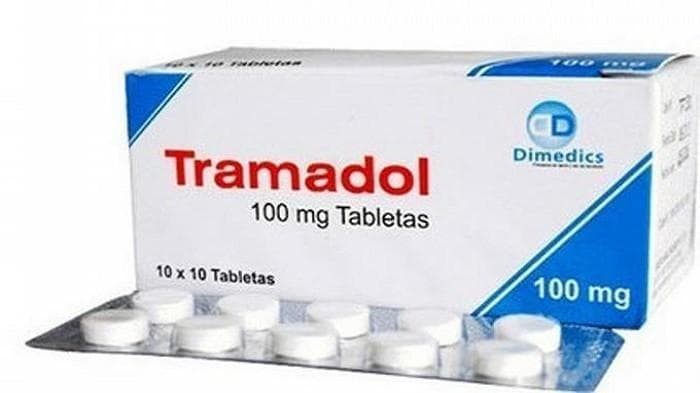

Tramadol: Uses, Dosage Information, Risks and Side Effects
What Is Tramadol?
Tramadol is a prescription medication used for the management of moderate to moderately severe pain. It belongs to a class of medicines known as opioid analgesics and acts on the central nervous system to help reduce the perception of pain.
Healthcare professionals may prescribe tramadol when other pain management approaches are not sufficient or appropriate. It should only be used under medical supervision and according to the instructions provided by a qualified healthcare provider.
How Tramadol Works
Tramadol works by affecting certain receptors in the brain and nervous system that are involved in pain signalling. It also influences the activity of specific neurotransmitters, which can contribute to its pain-relieving effects.
What Conditions Is Tradol Used For?
A healthcare professional may prescribe tramadol for:
- Acute pain following injury
- Post-operative pain
- Certain types of chronic pain
- Pain that has not responded adequately to other treatments
The suitability of tramadol depends on an individual’s medical history, current medications, and overall health status.
Important Safety Information
Tramadol is a controlled prescription medicine in many countries, including the United Kingdom. It carries risks that require careful medical supervision.
Important considerations include:
- Risk of dependence and addiction
- Risk of misuse
- Potential withdrawal symptoms if stopped abruptly
- Risk of serious side effects when combined with certain medicines
- Potential impairment of driving and operating machinery
Patients should always follow the instructions provided by their healthcare professional.
Possible Side Effects
Like all medicines, tramadol may cause side effects.
Common side effects include:
- Nausea
- Dizziness
- Headache
- Constipation
- Drowsiness
- Dry mouth
Serious side effects require immediate medical attention and should be discussed with a healthcare professional.
Who Should Not Use Tramadol?
Tramadol may not be suitable for everyone. Individuals should inform their healthcare provider about:
- Existing medical conditions
- Current medications
- History of substance misuse
- Pregnancy or breastfeeding
- Allergies to medications
A healthcare professional can determine whether tramadol is an appropriate treatment option.
Responsible Use of Tramadol
To reduce risks associated with opioid medicines:
- Take tramadol exactly as prescribed.
- Do not exceed the prescribed dose.
- Do not share medication with others.
- Store securely and out of reach of children.
- Consult a healthcare professional before making any changes to treatment.
When to Seek Medical Advice
Patients should seek professional medical advice if they experience concerning symptoms, unexpected side effects, or questions regarding their treatment.
Tradol should always be used as part of a treatment plan developed and monitored by a qualified healthcare professional.
Frequently Asked Questions About Tramadol in the UK
Tramadol is a prescription pain-relief medicine used to treat moderate to severe pain. It belongs to a group of medicines known as opioid analgesics and works by affecting how the brain and nervous system respond to pain.
Is Tramadol available in the UK?
Yes. Tradol is available in the UK as a prescription-only medicine. It can only be supplied following assessment by an appropriate healthcare professional.
What is Tramadol used for?
Tramadol may be prescribed for various types of pain, including:
- Post-operative pain
- Injury-related pain
- Chronic pain conditions
- Pain that has not responded adequately to other treatments
A healthcare professional will determine whether it is suitable for an individual’s circumstances.
How does Tramadol work?
Tramadol works by acting on opioid receptors in the brain and affecting certain neurotransmitters involved in pain signalling. This helps reduce the sensation of pain.
How long does Tramadol take to work?
Immediate-release formulations may begin to provide pain relief within approximately one hour. The exact timing can vary depending on the individual and the formulation prescribed.
How long does Tramadol stay in the body?
Tramadol can remain in the body for several days after the last dose. However, the length of time varies based on factors such as age, liver function, kidney function, dosage, and duration of use.
Can Tramadol cause drowsiness?
Yes. Drowsiness is a known side effect of tramadol. Some people may also experience dizziness or reduced alertness.
Can you drive while taking Tramadol?
Tramadol can impair driving ability in some individuals. Patients should follow medical advice and UK legal requirements regarding driving while taking medicines that may affect concentration or reaction times.
What are the most common side effects of Tramadol?
Common side effects may include:
- Nausea
- Dizziness
- Headache
- Constipation
- Drowsiness
- Dry mouth
Not everyone experiences side effects.
Can Tramadol be addictive?
Yes. Tramadol carries a risk of dependence, misuse, and addiction. For this reason, it should only be used as prescribed and under medical supervision.
What happens if you stop taking Tramadol suddenly?
Stopping tramadol abruptly after prolonged use may lead to withdrawal symptoms. A healthcare professional may recommend a gradual reduction in dosage when discontinuing treatment.
Can Tramadol be taken with paracetamol?
In some cases, healthcare professionals may recommend tramadol alongside paracetamol. However, patients should always follow professional medical advice regarding medicine combinations.
Can Tramadol be taken with ibuprofen?
Some individuals may be advised to use Tradol and ibuprofen together. Suitability depends on medical history, current medications, and individual health circumstances.
Can Tradol interact with other medicines?
Yes. Tramadol can interact with various medications, including:
- Antidepressants
- Sleeping tablets
- Other opioid medicines
- Certain anxiety medications
- Some migraine treatments
Patients should always inform healthcare providers about all medicines they are taking.
Is Tramadol stronger than codeine?
The relative effectiveness of Tradol and codeine varies between individuals. Healthcare professionals determine the most appropriate pain management option based on the patient’s condition and treatment needs.
Can Tradol be used for long-term pain?
Some patients may receive Tradol for longer periods, but ongoing use requires careful medical supervision due to risks such as tolerance, dependence, and side effects.
Is Tramadol suitable during pregnancy?
Pregnant individuals should consult a healthcare professional before using Tradol. The potential benefits and risks must be carefully assessed.
Can Tradol be taken while breastfeeding?
Tramadol may not be suitable during breastfeeding in some circumstances. Medical advice should always be sought before use.
What should I do if I miss a dose of Tradol ?
Patients should follow the instructions provided with their prescription and seek advice from a healthcare professional if they are unsure what to do after missing a dose.
When should I seek urgent medical help while taking Tradol?
Urgent medical attention should be sought if symptoms such as severe allergic reactions, breathing difficulties, seizures, loss of consciousness, or other serious adverse effects occur.
Is Tradol a controlled drug in the UK?
Yes. Tramadol is classified as a controlled drug in the UK due to the risks of misuse, dependence, and addiction. Special prescribing and dispensing requirements apply.
| Milligrams | 100 mg Tramadol, 200 mg Tramadol, 500 Mg Tramadol, Tramadol 50 mg, |
|---|
Be the first to review “Tramadol”
Related products
Pain Management
Reviews
There are no reviews yet.