
Oxycodone: Uses, Risks, Side Effects, and Important Safety Information
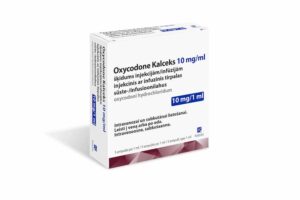
What Is Oxycodone?
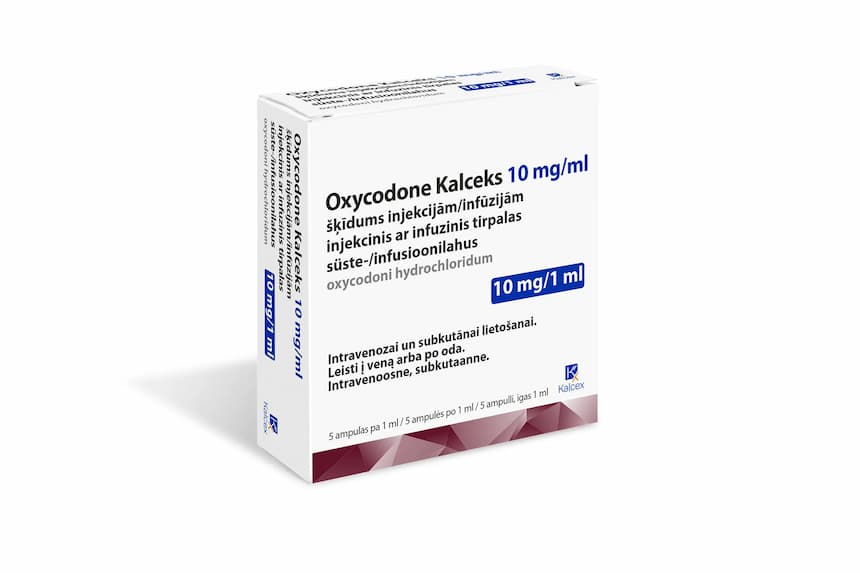
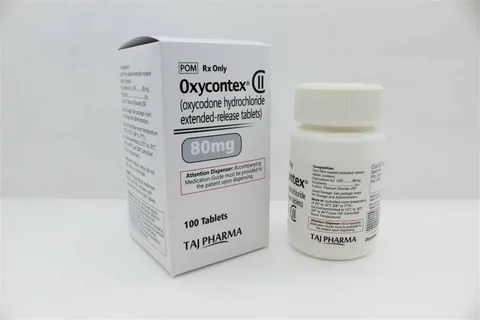
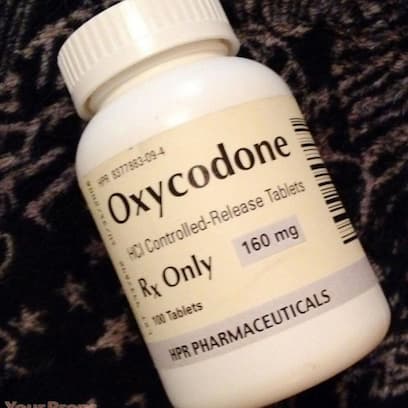
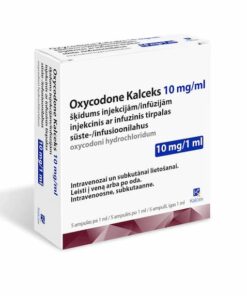
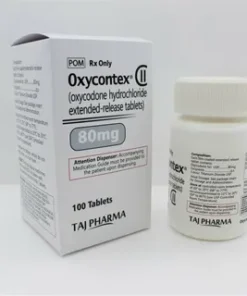
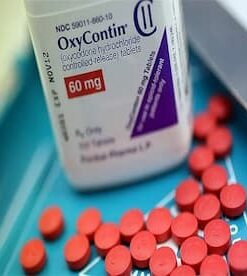
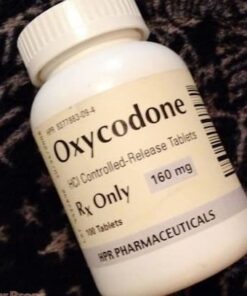
Oxycodone is a prescription opioid pain medication used to manage moderate to severe pain when other pain treatments are not sufficient. It works by affecting opioid receptors in the brain and nervous system, altering how pain signals are perceived.
Healthcare professionals may prescribe oxycodone for certain types of acute or chronic pain, including pain following surgery, serious injury, or specific medical conditions where strong pain relief is considered appropriate.
How Oxycodone Works
hydrochloride belongs to a class of medicines known as opioid analgesics. These medicines act on the central nervous system to reduce the sensation of pain.
The medication is available in different formulations, including immediate-release and extended-release products. The specific formulation and dosage depend on the patient’s medical needs and clinical assessment.
Who May Be Prescribed Oxycodone?
A healthcare professional may consider oxycodone for patients experiencing pain that cannot be adequately controlled with non-opioid treatments.
Treatment decisions are based on:
- Firstly Medical history
- Secondly Current medications
- Thirdly Pain severity
- Again Overall health status
- Finally Risk factors for opioid-related complications
Important Safety Information
Oxycodone is a controlled prescription medicine and carries significant risks.
Potential risks include:
- Dependence
- Misuse
- Addiction
- Respiratory depression
- Overdose
Patients should take oxycodone exactly as prescribed and should never share their medication with others.
Common Side Effects
Like all medicines, oxycodone can cause side effects.
Commonly reported side effects include:
- Drowsiness
- Constipation
- Nausea
- Vomiting
- Dizziness
- Headache
- Dry mouth
Patients should discuss any persistent or concerning side effects with a healthcare professional.
Precautions
Before using hydrochloride, patients should inform their healthcare provider about:
- Other medications they are taking
- Existing medical conditions
- Pregnancy or breastfeeding
- History of substance misuse
- Respiratory conditions
Alcohol should generally be avoided while taking opioid medications because it may increase the risk of serious side effects.
Storage and Disposal
Oxycodone should be stored securely and out of reach of children and other individuals. Unused medication should be disposed of according to local pharmacy or healthcare guidance.
When to Seek Medical Attention
Immediate medical attention may be required if symptoms such as severe breathing difficulties, loss of consciousness, allergic reactions, or signs of overdose occur.
Conclusion
Oxycodone is a powerful prescription opioid used for the management of certain types of moderate to severe pain. Because it carries important risks, treatment should always occur under the supervision of a qualified healthcare professional. Patients should follow prescribing instructions carefully and discuss any questions or concerns with their healthcare provider. approved
| Milligrams |
|---|
Be the first to review “Oxycodone”
Related products
Pain Management
Reviews
There are no reviews yet.